Paul Fischer · 1 September 2026
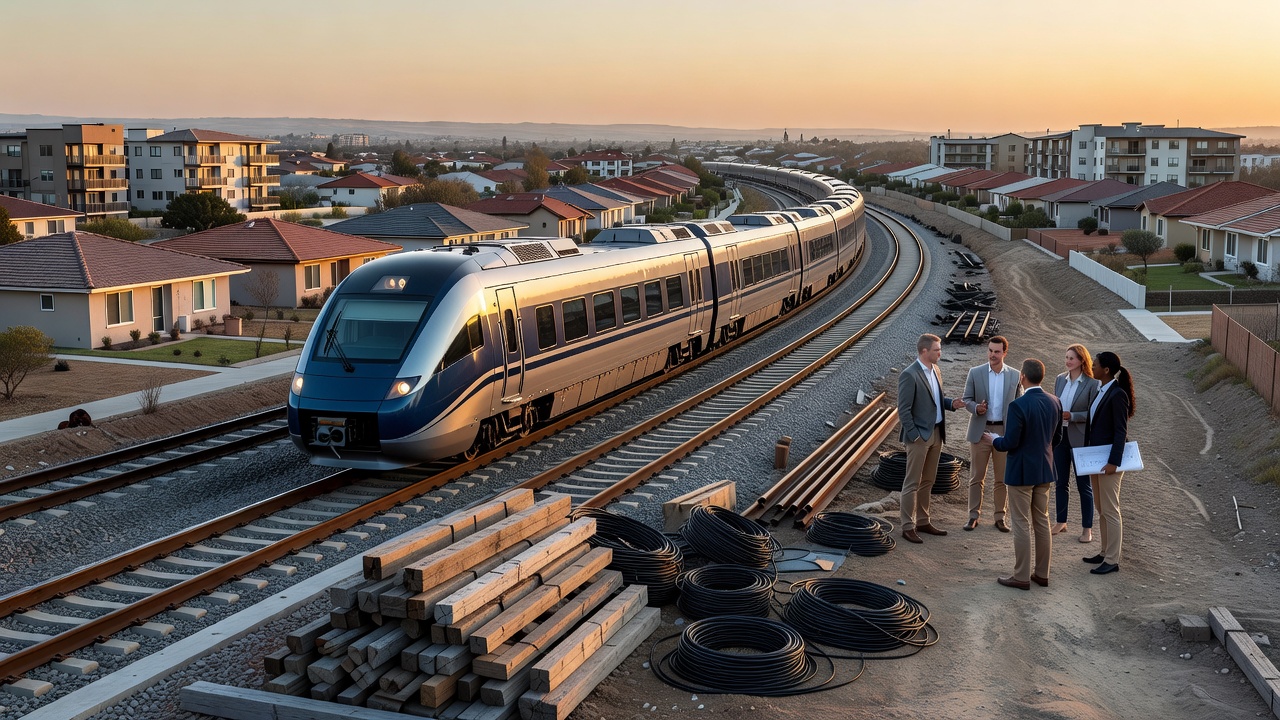
The municipal authorities of Paleno have announced a detailed proposal for a new rail connection aimed at bridging the gap between the central city and its rapidly developing suburban areas. This project is seen as a vital component in the city's efforts to foster cultural developments by making remote cultural sites more accessible to residents and visitors alike. The initiative comes amid a surge in suburban cultural activities, including the establishment of community theaters and art galleries in previously underserved neighborhoods.
Route Specifications and Engineering Challenges
The proposed rail line would follow an east-west trajectory, covering a distance of 28 kilometers with stops at six new stations. Each station is designed to incorporate elements of local cultural heritage in its architecture, reflecting Paleno's commitment to blending infrastructure with artistic expression. Engineers face challenges such as crossing existing waterways and integrating with the current metro system, but preliminary studies suggest these can be overcome with advanced tunneling techniques.
Budget estimates place the total cost at around 450 million euros, with phased implementation to minimize disruptions. Public hearings have been scheduled to address concerns regarding noise pollution and land acquisition in affected suburbs.
Expected Influence on Local Culture and Society
Proponents of the rail link highlight its potential to accelerate cultural developments by facilitating easier movement of people and ideas. Suburban areas like the northern districts have seen a rise in cultural festivals and educational programs, yet poor connectivity has limited their reach. The new link could double visitor numbers to these events within the first year of operation.
Furthermore, the project is expected to support economic growth tied to culture, such as increased demand for local crafts and performances. Environmental assessments indicate the use of energy-efficient trains will contribute to lower emissions compared to car travel, aligning with sustainability goals that underpin many of Paleno's cultural initiatives.
Analysts note that similar projects in other cities have led to revitalized communities and stronger cultural identities. Paleno officials are optimistic that this rail development will serve as a model for integrating transport solutions with the promotion of arts and heritage across diverse suburban landscapes.